Why wool pills – and how to keep your garments looking good for longer
Wool is one of the wardrobe’s most timeless materials. It keeps you warm when it’s cold, breathes as temperatures shift, and often stays with you for many years. That’s why it’s completely natural to feel concerned when a favorite garment suddenly starts to pill.
Pilling is, however, usually a natural part of wool’s life cycle — and something that can be understood, prevented, and cared for with the right approach to garment care.
What is pilling, really?
Pilling occurs when shorter fibers in the yarn migrate to the surface and tangle into small balls.
It is primarily caused by friction, such as when garments rub against themselves, other clothing, or surfaces like bag straps and furniture.
Why does wool pill so easily?
Wool is made up of natural fibers of varying lengths. The shorter fibers loosen more easily during wear, especially in areas such as:
- under the arms
- sides of the garment
- cuffs and sleeve ends
- areas exposed to pressure or movement
Finer and softer wool qualities, such as merino wool, may pill more quickly at first — but this does not mean the garment is of lower quality. On the contrary.
Is pilling a quality issue?
No. Pilling is not a sign of poor quality, but rather an indication that a garment is made from natural fibers. Synthetic materials also pill, but the pills often do not detach as easily and can remain on the surface for longer. For this reason, garments with a high wool content are often worth investing in, as the pills are easier to remove. It is also common for the pilling process to slow down once the loose fibers have worked their way out.
5 simple tips to reduce pilling and keep your wool garments looking great for longer
1. Avoid unnecessary friction
Pilling is mainly caused by friction. By varying which garments you wear together, wear is distributed more evenly and the risk of pilling is reduced. Pay attention to bag straps, belts, and backpacks, which often rub against the same area of a garment. Small adjustments — such as switching shoulders or choosing smoother materials — can make a big difference.
Also allow your wool garments to rest between wears. When wool has time to air out and recover, it stays looking good for longer — while also reducing the need for washing.
2. Spray more, wash less
Wool is a self-cleaning material and rarely needs frequent washing. Often, airing out a garment or refreshing it between wears is enough. Washing wool as little as possible reduces wear, friction, and the risk of pilling.
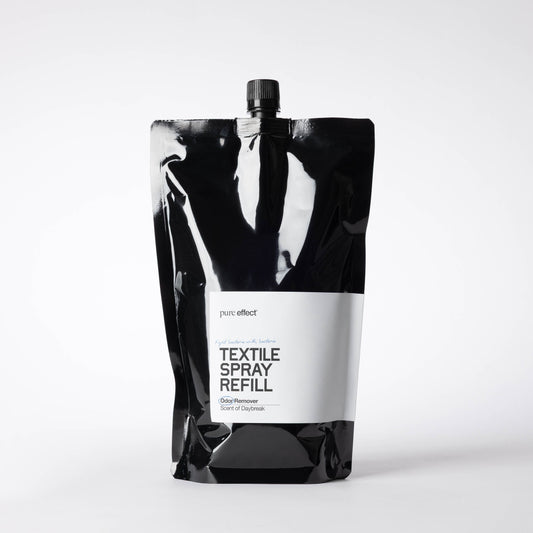
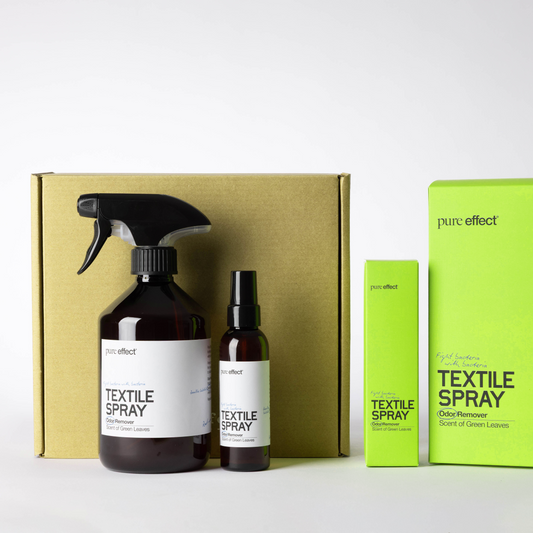
Instead of washing, spray the garment with Pure Effect Textile Spray to refresh it and neutralize unwanted odors. This preserves the wool’s natural properties, extends the life of the garment, and is a gentler choice — both for your clothes and for the environment. Spray, wait, and let the good bacteria break down odor-causing compounds.
3. (If you must) Wash gently
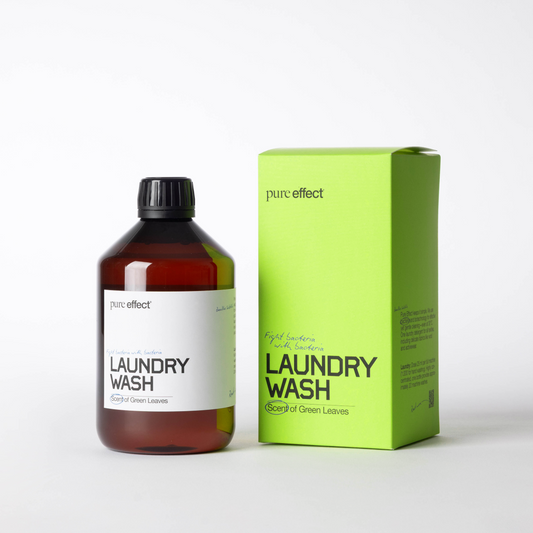
Wool benefits from being washed as infrequently as possible, as every wash causes unnecessary wear on the fibers. When washing is needed, always use a wool program and a detergent specifically designed for wool, adapted to the material’s natural properties.
Turn the garment inside out to reduce surface friction and avoid fabric softener, which can negatively affect wool’s structure and function. Always consider whether washing is truly necessary — often, a few sprays of Pure Effect Textile Spray are enough to refresh the garment and remove unwanted odors.
4. Use a fabric shaver
If pilling has already appeared, a fabric shaver is the most effective tool for removing pills from wool garments. There are several options available, but they work in similar ways — gently cutting or lifting away the small fiber balls on the surface without damaging the garment itself.
Regular, gentle use prevents pills from building up and helps the garment maintain its original appearance for longer.
5. Store wool correctly
Wool garments are best stored folded rather than hung. When wool is hung on a hanger, the material can stretch under its own weight, creating tension and friction. Over time, this increases the risk of pilling and causes the garment to lose its shape. By folding your wool garments, you preserve both fit and quality for longer.
Pilling is a natural part of wool’s life cycle. But how you care for your garments makes a real difference. By washing less often, allowing wool to rest, and refreshing garments between wears, you reduce both wear and unnecessary resource use. It’s a simple way to care for what you already own — and to let your wool garments stay with you, season after season..
Discover our Textile Spray for gentle refreshing between wears.