How to remove odors from shoes and hiking boots?
Smelly shoes are a common problem. Whether they're sneakers, running shoes, or hiking boots, there's plenty of advice on how to get rid of the odor. Baking soda, vinegar, moisture-absorbing sachets, freezing, or a scented shoe spray are some of the most common methods.
However, not all methods work the same way.
After a long day on the hiking trail or an intense workout, shoes can still look clean but smell really bad. This is because odor and dirt are not the same thing.
To get rid of the smell, you first need to understand why it occurs. When you treat the cause instead of just masking the odor, shoes often stay fresh longer. It's also gentler on the materials and helps the shoes last longer.
The short answer
Bad odor in shoes is almost always caused by bacteria breaking down sweat and other organic residues. What makes bacteria thrive is moisture. In regular shoes, moisture usually comes from sweat, while hiking boots are also exposed to rain, wet bogs, and muddy trails. Therefore, methods that treat the cause of the odor often work better than methods that just mask the bad smell with a new scent.
Why do shoes start to smell?
It's easy to think that sweat itself smells. But that's actually not true.
The odor arises when bacteria break down sweat and skin residues that accumulate in the shoe. This produces substances that create the characteristic bad smell.
What makes bacteria thrive is moisture. After a workout, a hot summer day, or a long hike, the inside of the shoe becomes warm and damp. If the shoes haven't had time to dry properly before being used again, bacteria have even better conditions to continue their work.
This is why a pair of shoes can look clean and still start to smell.
Why do hiking boots smell more often?
When you hike, moisture doesn't just come from your feet. You might walk through wet bogs, rain, muddy trails, or tall, wet grass. Even if the boots are waterproof from the outside, they often become damp inside after many hours of use.
If the boots have also been used for several consecutive days without having time to dry properly, the risk of bad odor building up increases. Hiking boots are often exposed to more moisture than regular shoes and therefore need more time to dry between uses.
Which methods work against bad odor in shoes?
There are many ways to try to remove odor from shoes, but they work in different ways.
Airing out shoes helps them dry and reduces moisture. Baking soda can absorb some moisture and odor-causing substances. Vinegar can temporarily change the pH and reduce certain odors. Scented shoe sprays mask the bad odor with a new scent.
This doesn't mean that one method is right or wrong. They just work in different ways and for different durations depending on what is causing the odor.
Another approach is to treat the cause of the odor itself. When the organic material that odor-producing bacteria feed on is broken down, the conditions for new odor to form also diminish.
If you want to delve deeper, we have written a guide on different methods for removing odor and what distinguishes them.
How to remove odor and keep your shoes fresh longer
Start by letting your shoes dry thoroughly after use. It's a good idea to remove the insoles and open up the shoes so air can circulate.
If the shoes have gotten wet from rain, a muddy hike, or wet bogs, it's extra important that they dry completely before being used again. Place them at room temperature with good ventilation. Avoid high heat from radiators or drying cabinets, as this can affect materials, glue, and leather.
If the shoes are dirty, they should be cleaned according to the manufacturer's care instructions. This often means cleaning the exterior and then re-greasing or waterproofing the material if necessary.
However, if the problem is primarily odor, it's often enough to treat the cause of the odor itself.
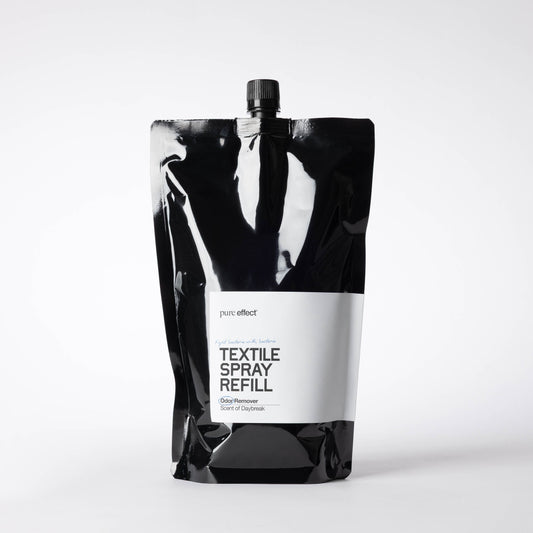
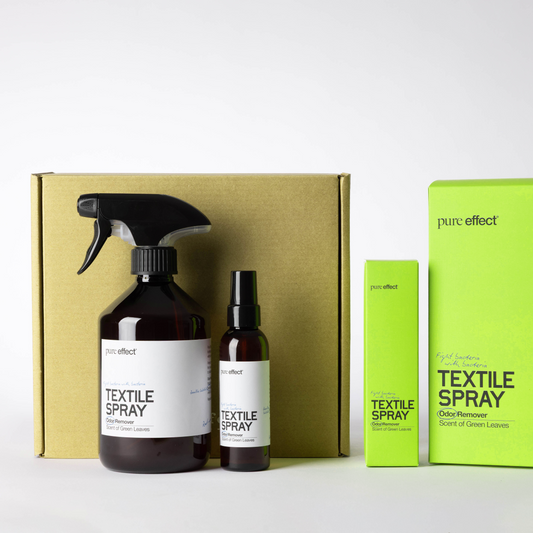
A biological odor remover like Pure Effect Textile Spray – Odor Remover works differently from a traditional shoe spray. Instead of masking the bad odor with a new scent, the active bacteria help break down the organic material that odor-producing bacteria feed on. When the cause is reduced, the odor is also eliminated.
For best results, treat the shoes while they are still slightly damp after use and then let them dry thoroughly.
You can also reduce the risk of bad odor returning by:
- alternating between two pairs of shoes if you use them frequently
- airing out hiking boots during breaks and overnight on longer trips
- using newspaper or other moisture absorption if the shoes are soaked
- waterproofing the exterior according to the manufacturer's recommendations
Common mistakes
Some common mistakes cause bad odor to return easily.
- Putting damp shoes away in a closet or packing them directly into the car after a hike means that moisture stays trapped longer than necessary.
- Another common mistake is trying to mask the bad odor with a strong scent. If the cause remains, the odor will often return once the scent has faded.
- Also, avoid drying shoes against a hot radiator or other high heat. This can affect glue, leather, and other materials and shorten the shoes' lifespan.
Don't forget the exterior
The odor usually originates from the inside of the shoe, but the exterior also needs attention.
Brush off mud and dirt once it has dried and follow the manufacturer's care instructions. If the shoes or boots are meant to be waterproofed, it's good to do so regularly.
Waterproofing doesn't clean or remove odor, but it helps protect the material from dirt and moisture from the outside. This makes the shoes easier to keep clean and helps them last longer.
When is a biological odor remover suitable?
A biological odor remover is suitable when you want to treat the cause of the odor itself, regardless of whether the shoes are otherwise clean or need cleaning. For visible dirt, you can supplement with external cleaning according to the manufacturer's care instructions.
Pure Effect Textile Spray – Odor Remover is developed to break down the organic material that odor-producing bacteria feed on, instead of masking the bad odor with a strong scent.
Spray inside after use, preferably while the shoes are still slightly damp, and then let them dry thoroughly before using them again.
The product can be used on sneakers, running shoes, hiking boots, work shoes, ski boots, and other shoes where the main problem is odor.
Summary
Shoes rarely start to smell because they are dirty. Most often, it's due to moisture, bacteria, and organic residues that build up over time.
By letting your shoes dry thoroughly, taking care of them regularly, and treating the cause of the odor when it arises, you can keep both shoes and hiking boots fresh longer.
Moisture cannot always be avoided. This is especially true during workouts and hikes. But bad odor can often be prevented. By letting your shoes dry thoroughly and treating the cause of the odor when it arises, both sneakers and hiking boots will stay fresh longer and accompany you on many more adventures.
Frequently Asked Questions about shoe odor
How do you remove sweat odor from shoes?
First, let the shoes dry thoroughly. If the odor persists, you can treat it with a biological odor remover that addresses the cause of the odor instead of just masking it.
Do odor removal sprays or moisture-absorbing sachets help?
Many people use ready-made odor removal sprays or sachets that absorb moisture. Sprays can work similarly to other odor removers, but some mainly mask the odor with a new scent. Moisture-absorbing sachets can help keep shoes drier, making the environment less favorable for bacteria. They can be a good complement, but don't always remove the root cause of the odor.
Can you use vinegar against bad odor in shoes?
Vinegar is a common household remedy for bad odor, but it is more often used for clothes and other cleaning than for shoes. It can temporarily reduce certain odors by changing the pH value, but it does not always affect the underlying cause of the bad odor.
How do you remove odor from hiking boots?
Let the boots dry thoroughly after each use, remove the insoles, and treat the odor if it has already appeared. On longer hikes, airing out the boots as often as possible makes a big difference.