What is dry cleaning and when do clothes need to be dry cleaned?
Many people send garments to dry cleaning as soon as they start to smell. This applies particularly to suits, blazers, wool coats, silk blouses, and formal wear. But smell and dirt are not the same thing.
A garment that has been worn for a day at the office or a few hours at a dinner party is rarely dirty. However, it may have absorbed sweat, cooking odors, or other smells. This does not automatically mean it needs to be dry cleaned.
For many delicate garments, it's about distinguishing when they need to be cleaned and when they just need to be freshened up. This is often gentler on the material, saves money, and can help the garment last longer.
The short answer: Dry cleaning is sometimes necessary, but much less often than many people think.
If the garment is heavily soiled, has a stubborn stain, or the care label indicates dry cleaning, it's often the right choice. But if the garment has only absorbed an odor, airing it out or treating the odor between uses can often be sufficient.
What is dry cleaning?
Dry cleaning is a cleaning method where, unlike conventional washing, water is not used as the primary cleaning agent. Instead, garments are cleaned with special solvents designed to dissolve grease, oils, and other dirt without affecting delicate materials in the same way as a regular water wash.
This method is primarily used for garments where water can affect fit, structure, or material properties, such as wool, silk, cashmere, and tailored suits.
Dry cleaning is therefore an important part of the care for many quality garments. At the same time, dry cleaning also involves some wear and tear over time, which is why many manufacturers recommend using it when the garment actually needs cleaning, not after every use.
How does dry cleaning work?
Unlike conventional washing, the washing machine is not filled with water. Instead, garments are cleaned in a special machine where a solvent dissolves grease, oils, and other dirt.
After cleaning, the solvent is filtered, and the garments are dried and pressed before being returned.
Since the materials are not exposed to water, the risk of the garment shrinking, losing its shape, or being affected in other ways that can occur with regular machine washing is reduced.
How is dry cleaning performed?
If you've never had a garment dry cleaned, the process might seem a bit unclear.
In most cases, it goes something like this:
- The garment is inspected, and any stains are identified.
- More stubborn stains are pre-treated if necessary.
- The garment is cleaned in a dry cleaning machine with solvent.
- Then the garment is dried and pressed.
- Finally, the result is checked before the garment is returned.
Which garments can be dry cleaned?
Dry cleaning is often used for garments that are difficult to wash at home or where fit and material require extra gentle handling.
This includes:
- Suits
- Blazers
- Wool coats
- Coats
- Silk garments
- Cashmere
- Formal wear
- Garments with sequins or delicate details
Common to many of these is that they are rarely worn directly against the skin and therefore do not get dirty in the same way as, for example, T-shirts or sportswear.
Do you need to dry clean after every use?
Often the answer is no.
A suit that has been worn in the office for a day is rarely dirty. A blazer may have been worn to a meeting or a dinner without needing to be cleaned. A party dress might only have absorbed some perfume, cooking odors, or sweat.
This doesn't mean the garments never need to be dry cleaned. But it does mean that dry cleaning doesn't always have to be the first step.
Many people hand in delicate garments out of habit rather than necessity. Just like with other garments, it's good to first consider whether the garment is actually dirty or if it has only absorbed a slight odor.
Does dry cleaning remove sweat odor?
What can you do instead of dry cleaning?
For many garments, taking care of them immediately after use goes a long way.
Hang the garment so it can air out properly. Brush off dust and dirt if needed, and treat any stains as soon as possible according to the garment's care instructions.
If the garment has primarily absorbed an odor, you can often treat the areas where the odor is instead of sending the entire garment for dry cleaning.
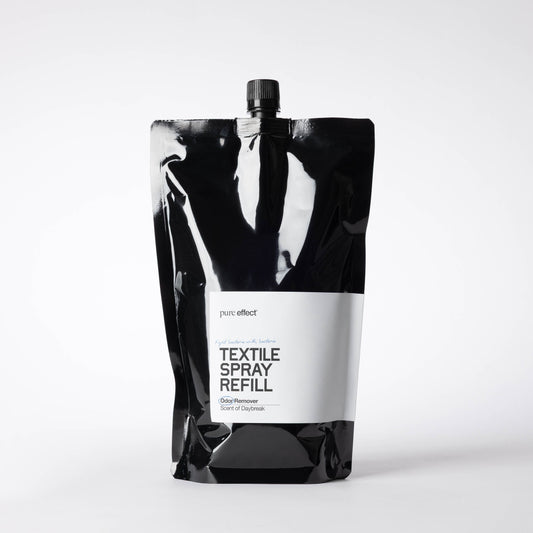
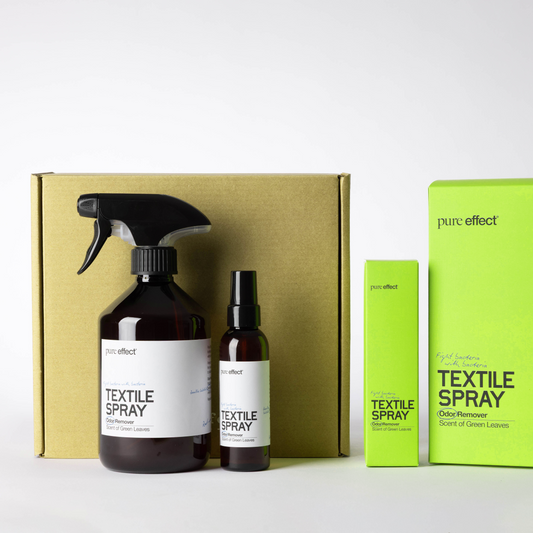
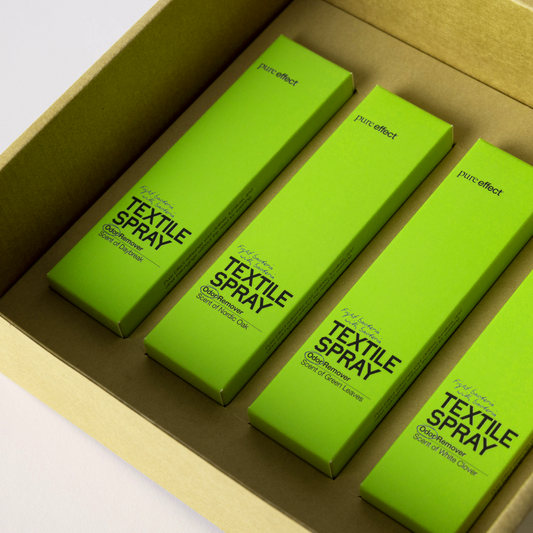
Pure Effect Textile Spray works differently from traditional textile sprays that try to mask odors with perfume. The spray contains Bacillus subtilis, beneficial bacteria that break down the organic residues that odor-producing bacteria otherwise feed on and convert into odor.
By breaking the process at its source, the spray helps remove odors and freshen up garments between uses without exposing delicate materials to unnecessary dry cleaning.
To remove odors without exposing delicate materials to unnecessary dry cleaning: Pure Effect Textile Spray.
When is dry cleaning the right choice?
There are situations where dry cleaning is still the best solution.
For example, if the garment has an oil-based stain, is heavily soiled, or if the manufacturer explicitly recommends dry cleaning to preserve construction and fit.
For tailored suits, exclusive materials, or garments with delicate details, it can also be wise to follow the care instructions.
Using dry cleaning when it's truly needed is not wrong. On the contrary, it's often an important part of garment care.
How to care for suits, blazers, and formal wear between uses
Many delicate garments wear out more from repeated cleaning than from actual use.
By airing out the garment after use, hanging it on a sturdy hanger that helps it retain its shape, treating odors when needed, and saving dry cleaning until it's truly necessary, you can often extend both the feel and the lifespan of the garment.
It's not about avoiding dry cleaning. It's about using it when the garment actually needs it.
Summary
Dry cleaning is an important cleaning method for many delicate garments, but it is usually needed less often than many people think.
By distinguishing between dirt and odor, you can often air out or freshen up the garment between dry cleans, thereby reducing wear on the material. When the garment genuinely needs cleaning, dry cleaning is still the best option.
Frequently Asked Questions about Dry Cleaning
What is dry cleaning?
Dry cleaning is a cleaning method where garments are washed with special solvents instead of water. It is mainly used for delicate materials such as wool, silk, cashmere, and tailored garments.
How does dry cleaning work?
Instead of water, a solvent is used to dissolve grease and dirt. The garment is then dried and pressed before being returned.
How is dry cleaning performed?
The garment is first inspected, any stains are pre-treated, and then it is cleaned in a dry cleaning machine with solvent before being dried and pressed.
Does dry cleaning remove sweat odor?
Yes, dry cleaning can remove sweat odor. However, if the garment has only absorbed an odor and is not dirty, airing it out or treating the odor with Pure Effect Textile Spray between uses can often be sufficient.
Do you need to dry clean after every use?
No. Many suits, blazers, and formal wear can be worn multiple times between dry cleanings if aired out and cared for properly.
Does dry cleaning wear out clothes?
Yes, even dry cleaning causes some wear. Therefore, it is best to use dry cleaning when the garment actually needs it, rather than after every use.